

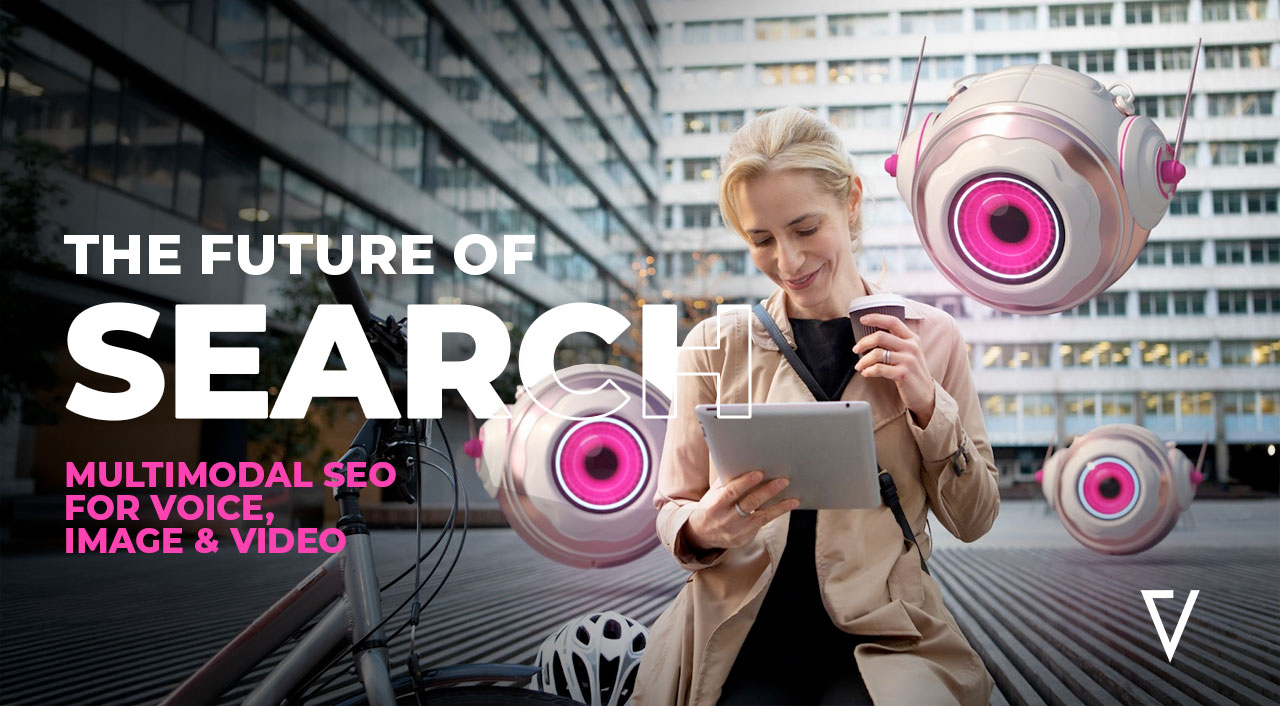
Search is at a turning point. What was once focused strictly on typing queries into Google or Bing has now cracked wide open. Consumers can ask questions aloud, snap a picture to find a product, or search videos for visual answers. This revolution—multimodal search—demands a new approach: multimodal SEO. Optimising for text isn’t enough; brands must adapt for voice, image, and video discovery across diverse platforms, or risk fading from view.
The Rise of Multimodal Search
What Is Multimodal Search?
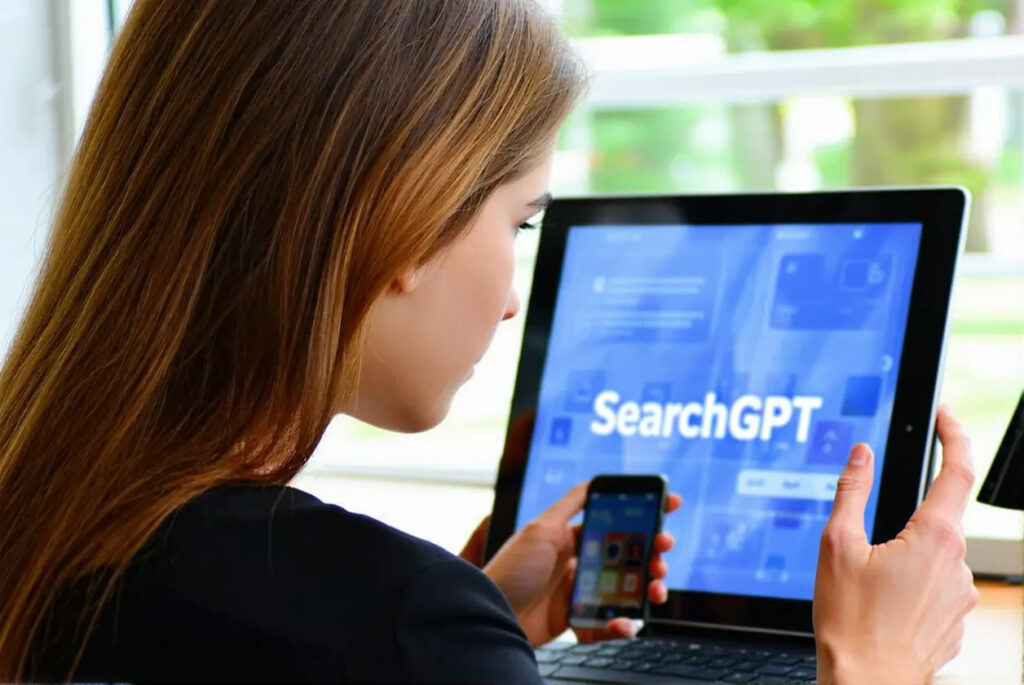
Multimodal search is the process of obtaining information using different modes—text, voice, image, and video inputs, sometimes in combination. Consumers might ask a product question, upload a photo, or select a video snippet to initiate their search.
Platforms like Google, Bing, Amazon, YouTube, TikTok, Instagram, and even AI-powered assistants (such as Siri, Alexa, and ChatGPT) have expanded how users interact, making it crucial for brands to optimise content beyond standard web pages.
Key Modalities in Multimodal Search
- Voice Search: Spoken queries through smart devices and mobile phones
- Image Search: Visual discovery tools like Google Lens and Pinterest Lens
- Video Search: Content discovery via platforms such as YouTube and TikTok
- Text & Semantic Search: Traditional typing complemented by AI understanding
Why Multimodal SEO Matters
User Expectations and Behaviours
Modern users want fast, frictionless answers, regardless of whether they use a voice assistant, smartphone camera, or keyboard. Nearly 60% of all searches happen on mobile, and more than 50% of teens and 40% of adults now use voice search daily. Visual search is also booming, with billions of searches via Google Lens monthly, and video is now the most-consumed online content category.
Search Engines’ Advancements
Search engines are rapidly evolving. Google and Bing prioritise results with enriched images, video snippets, and content optimised for voice. AI-powered features, like Google’s Multisearch and advanced visual recognition, now deliver answers across several media—all in one result page.
Business Impact
Brands that embrace multimodal SEO see:
- Higher visibility across search surfaces
- Broader, more diverse audience reach
- Improved engagement and user satisfaction
- Better conversion rates via tailored experiences
The Pillars of Multimodal SEO
1. Voice Search Optimisation
How Voice Queries Differ
Voice searches are conversational, often longer, and use natural language (“Where can I buy vegan shoes near me?” vs “vegan shoes Delhi”). They are frequently local and question-oriented.
Best Practices
- Optimise for Conversational Keywords: Use long-tail phrases and Q&A formats.
- Featured Snippets & FAQs: Structure content to answer questions clearly—these are prime targets for “position zero” (voice search result spots).
- Local SEO Emphasis: Ensure Google Business Profiles are up-to-date, incorporate “near me” and local intent queries.
Actionable Steps
- Create FAQ pages and Q&A content addressing common voice queries.
- Markup content with structured data for rich results.
- Use schema.org’s “speakable” markup for audio and text-to-speech compatibility.
2. Image Search Optimisation
The Evolution of Visual Discovery
Google Lens, Pinterest Lens, and Instagram Visual Search allow users to find information or shop by uploading or tapping images. E-commerce, travel, and lifestyle brands especially benefit from image-first discovery.
Best Practices
- Image Quality and Relevance: Use high-resolution, authentic images—not stock photos.
- Image Optimisation: Compress files for fast loading, add descriptive filenames and alt text, and supply image sitemaps.
- Structured Data: Use schema.org markup (Product, Recipe, Event) so search engines understand and display key image data.
- Contextual Placement: Surround images with context-relevant text and keywords.
Actionable Steps
- Label all images with thorough, keyword-rich alt attributes.
- Implement structured data for products and recipes.
- Submit image sitemaps for large catalogues.
3. Video SEO
The Central Role of Video
Short- and long-form video content dominate time spent online. YouTube is the world’s second-largest search engine, while TikTok and Instagram Reels drive rapid discovery for Gen Z and millennials. AI-generated search snippets often pull in video content.
Best Practices
- Transcripts & Subtitles: Add accurate transcripts to every video; these are indexed by search engines and enable accessibility.
- Optimised Metadata: Write keyword-rich titles, descriptions, and tags.
- Compelling Thumbnails: Use custom, visually striking thumbnails to boost click-throughs.
- Structured Video Markup: Schema.org’s “VideoObject” markup helps Google index key attributes—duration, creator, and key moments.
Actionable Steps
- Upload videos to YouTube and relevant platforms with detailed metadata.
- Embed videos in web pages with supporting text and schema markup.
- Create short-form versions for TikTok, Instagram, or YouTube Shorts.
4. Content Diversification and Repurposing
Why It’s Essential
LLMs (large language models) and AI-powered search engines consider all formats—text, video, images, audio, and even social media posts—when surfacing information. Repurposing content ensures multiple “surface areas” for discovery and context.
Strategies
- Transform articles into explainer videos, infographics, and podcasts.
- Share derivative formats on various platforms: A long blog post can be broken into TikTok snippets, carousel images for Instagram, or podcast segments.
- Cross-link and cross-reference among media types: Interlink videos, images, and text-based pages for topic coherence and depth.
5. AI, Data-Driven Optimisation, and Accessibility
The Role of AI & Analytics
Google, Bing, and social apps are using AI to deliver multimodal results—combining snippets, videos, images, and spoken answers. Marketers must leverage analytics and predictive tools to adapt in real time.
Steps to Implement
- Use natural language processing tools to discover trending conversational queries.
- Analyse search console and platform analytics for user engagement across media.
- Continuously test and refine multimedia content for both desktop and mobile.
Challenges of Multimodal SEO
- Coordination across teams: Managing multimedia, metadata, and formats requires close collaboration between writers, designers, videographers, and developers.
- Measurement: Attribution for image, voice, and video search is complex—track KPIs using advanced analytics dashboards tying together several channels.
The Future of Multimodal Search
Emerging Trends
- AI Multisearch: Combined text-image (or text-audio) queries will grow, as will result blends.
- Semantic Understanding: Search algorithms will increasingly use semantic indexing—context, intent, and relationship between modalities—to refine rankings.
- Zero-click Answers: Rich snippets, featured answers, image carousels, and video highlights will reduce traditional click-throughs but boost brand touchpoints.
How to Prepare
- Invest in structured data, accessibility, and context-rich content.
- Stay agile: Multimodal SEO is not a one-time task, but an ongoing, adaptive strategy.
- Train teams on multimedia production and cross-channel best practices.
Final Thought
Multimodal SEO is not a future consideration—it’s happening now. Brands that master optimisation across voice, image, and video search will gain the edge, capturing audiences wherever and however they search. From mobile voice assistants to visual shoppable moments and video explainers, the future is multi-format—and only those prepared to deliver seamless, accessible, and relevant content across platforms will thrive in the evolving landscape of search.
Frequently Asked Questions (FAQs)
Q1: What is multimodal SEO?
Multimodal SEO refers to optimising content to be discoverable across multiple search formats, including voice, image, video, and traditional text-based search.
Q2: How does voice search optimisation differ from traditional SEO?
Voice search optimisation focuses on natural, conversational language and optimising for questions and local intent, whereas traditional SEO often targets shorter keyword phrases.
Q3: Why is image SEO important for modern businesses?
With the rise of visual search tools like Google Lens, optimising images helps brands capture audiences searching through pictures, increasing visibility and potential sales.
Q4: How can I optimise video content for search?
Use detailed transcripts, keyword-rich metadata, engaging thumbnails, and video-specific structured data to improve indexing and findability on platforms like YouTube.
Q5: What role does AI play in multimodal SEO?
AI enhances search engines’ ability to understand and integrate different media types, enabling more accurate and rich search results, and helps marketers adapt strategies based on data insights.




Keep In Touch