


Digital marketing continues to evolve, and businesses need to adapt to how customers discover, research and engage with brands online.
As we approach 2027, artificial intelligence, changing search habits, video content and more personalised marketing are influencing how businesses reach their audiences.
For Irish businesses, staying ahead doesn’t necessarily mean increasing marketing budgets or jumping onto every new platform. It’s about understanding what is changing and making smarter decisions about where to invest time and resources.
Here are seven digital marketing trends worth watching as we move into 2027.
1. AI Is Changing How Customers Search Online
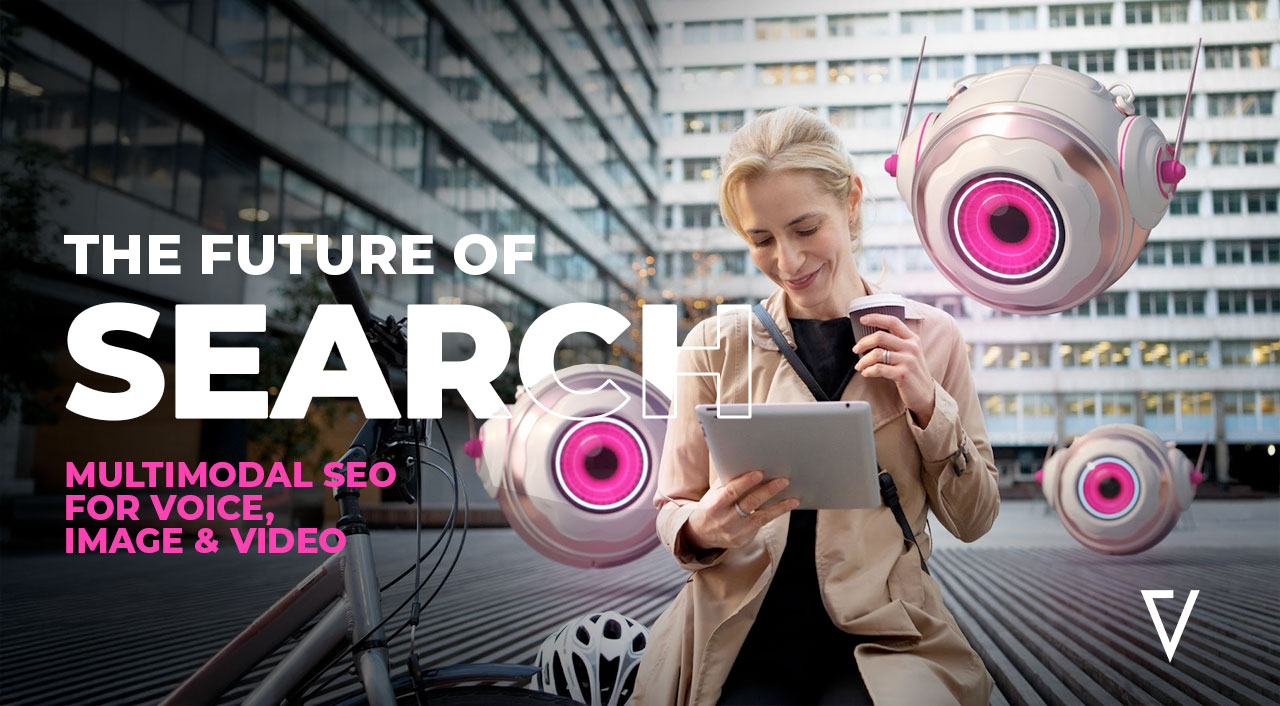
Search engines are evolving beyond traditional lists of website links.
Google’s AI Overviews and AI Mode are changing how information is presented, while tools such as ChatGPT are becoming another way for people to research products, services and businesses.
This means businesses need to think about how their content can be discovered and understood across different search experiences.
Traditional Search Engine Optimisation (SEO) remains important, but there is growing interest in Generative Engine Optimisation (GEO), which focuses on improving visibility in AI-powered discovery.
Businesses should concentrate on publishing useful, accurate information, answering customer questions clearly and maintaining well-structured websites.
What businesses should consider: Review your website content. Does it clearly explain your services, expertise and the questions your customers regularly ask?
2. Authentic Content Will Become Even More Valuable
Artificial intelligence has made content creation faster and more accessible. However, it has also made online content increasingly crowded.
Businesses that share genuine experiences, real customer stories, behind-the-scenes content and original insights have opportunities to stand out.
Rather than publishing content simply to maintain a posting schedule, businesses should focus on providing something valuable to their audience.
This could include highlighting completed projects, introducing team members, sharing practical advice or showcasing customer experiences.
What businesses should consider: Build a content strategy around what makes your business different, rather than relying entirely on generic posts.
3. Short-Form Video Will Remain a Key Marketing Tool
Video continues to be an important part of digital marketing, particularly across Instagram, Facebook, TikTok, LinkedIn and YouTube.
Short-form video offers businesses a way to communicate quickly, demonstrate products and services, and introduce the people behind their brand.
Professional production can be valuable, but not every video needs a large budget.
Simple footage of a completed project, a short customer testimonial or a demonstration can be effective when the message is relevant and engaging.
The important consideration is creating content that suits both the platform and the intended audience.
What businesses should consider: Identify opportunities to capture regular video content during normal business activities.
4. SEO Will Focus More on Quality and Relevance
Search Engine Optimisation is not disappearing, but the way businesses approach it continues to change.
Websites need more than keywords placed throughout their pages. They need relevant content, strong technical foundations, clear navigation and evidence of genuine expertise.
For local businesses, maintaining accurate business information, developing location-relevant content and encouraging authentic customer reviews also remain important.
Businesses should regularly review existing website content to ensure it reflects their current services and answers the questions potential customers are asking.
What businesses should consider: Invest in ongoing SEO improvements rather than treating optimisation as a once-off activity during website development.
5. Smarter Advertising and Better Measurement
Digital advertising platforms are increasingly using automation and machine learning to support targeting, placements and campaign optimisation.
While these tools can improve efficiency, businesses still need clear objectives and a way to measure success.
Generating website traffic is useful, but understanding how that traffic translates into enquiries, bookings, purchases or other business outcomes is more important.
Tracking tools such as Google Analytics 4 can help businesses understand which marketing activities are contributing to meaningful results.
What businesses should consider: Define what a successful conversion looks like and ensure your advertising campaigns are measured against it.
6. Email Marketing and Customer Relationships Still Matter
With businesses competing for attention across search engines and social platforms, maintaining direct relationships with customers remains valuable.
Email marketing allows businesses to communicate with people who have already expressed an interest in their products or services.
Newsletters, relevant updates, useful advice and personalised offers can help maintain engagement beyond a customer’s first website visit.
The focus should be on providing useful communication rather than simply increasing the volume of emails sent.
What businesses should consider: Develop an email database with appropriate consent and create a regular communication plan that provides value.
7. An Integrated Digital Strategy Will Be More Important Than Ever
One of the biggest opportunities for businesses in 2027 will be connecting their digital marketing activities.
A social media campaign might introduce a potential customer to your business, but your website needs to provide the information and confidence required to take the next step.
Similarly, SEO can attract relevant visitors, while email marketing and remarketing can help maintain relationships over time.
These activities are most effective when they support shared business objectives.
What businesses should consider: Review how your website, social media, SEO, advertising and email marketing work together rather than managing them as separate activities.
Preparing Your Digital Marketing Strategy for 2027
The businesses best positioned for 2027 won’t necessarily be those using the most technology or publishing the most content.
They will be the businesses that understand their audiences, communicate clearly, build trust and use digital marketing strategically.
At VIMAR Digital Marketing, we work with businesses to develop practical digital strategies that combine website development, SEO, content creation, social media and digital advertising.
Whether you’re reviewing your existing marketing activities or planning for growth in 2027, having a clear strategy is an important place to start.
Looking to improve your digital marketing? Get in touch with the VIMAR team to discuss your business goals.





Keep In Touch